Skip to content


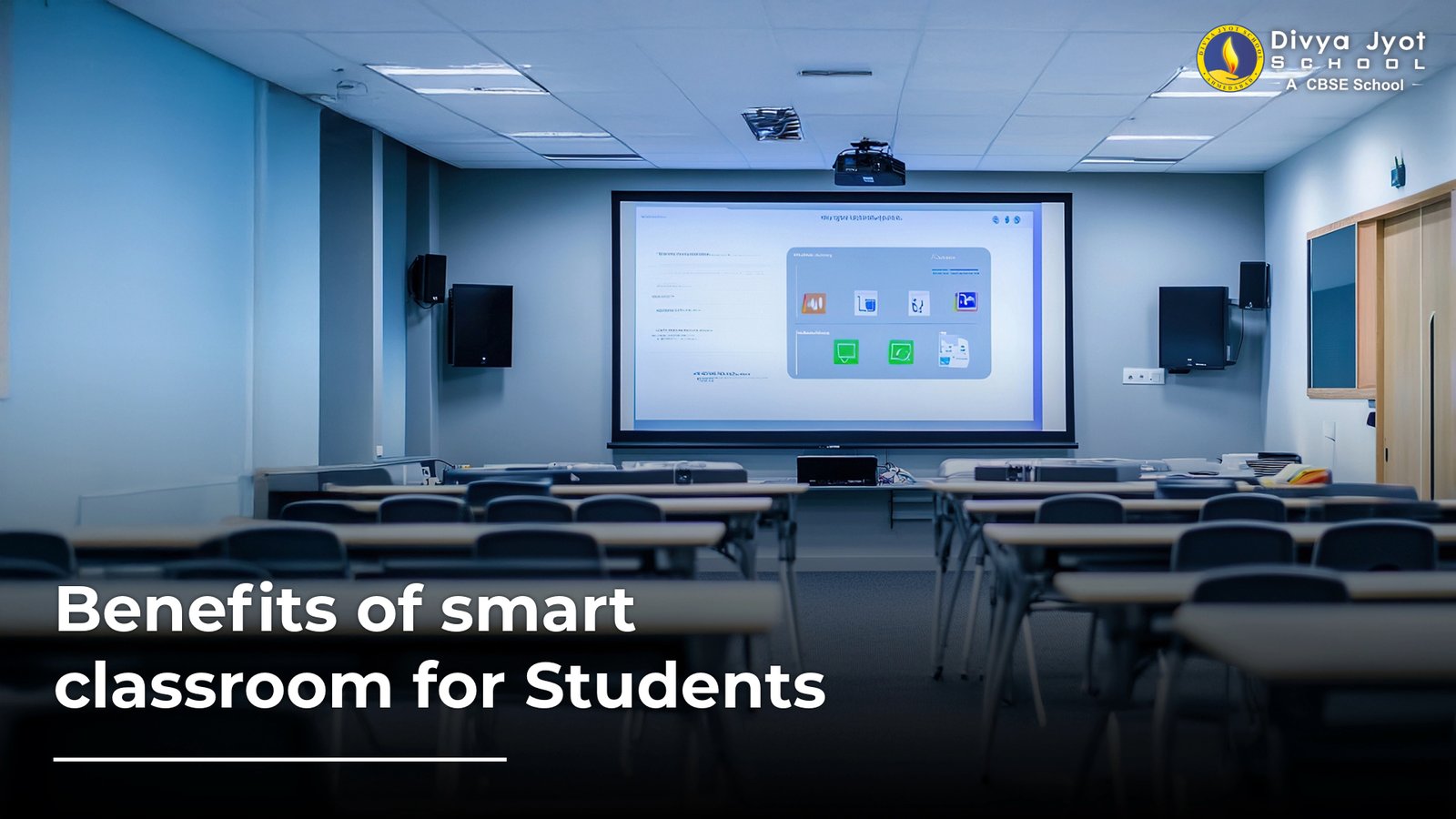
Education is evolving, and smart classrooms are leading the way. This isn’t just trendy technology – it’s a strategic upgrade that transforms how students learn, collaborate, and succeed. In this post, we explore the key benefits of smart classrooms, supported by research, real-world examples, and practical takeaways for both parents and students.
1. What Exactly Is a Smart Classroom?
Smart classrooms blend traditional learning with powerful digital tools to create an interactive, engaging, and inclusive educational environment. Common features include:
- Interactive whiteboards or smartboards
- Tablets or laptops for student use
- Learning Management Systems (LMS) and cloud platforms
- Multimedia integration (videos, animations, VR/AR)
- Real-time analytics and feedback tools
This setup transforms teaching from one-directional to dynamic, immersive, and personalized.
2. Boosted Student Engagement
Smart classrooms excel at keeping students captivated:
- Multimedia lessons – videos, animations, and interactive diagrams help explain tough subjects easily.
- Live polls, quizzes, gamification turn lessons into fun, competitive activities, with engagement up to 55% higher in some studies.
- Interactive whiteboards facilitate hands-on learning—students can touch, drag, or write on boards with others.
Real insight: A Gallup survey showed classroom engagement leaps by over 55% with smart tech. If your child struggles to sit through lectures, smart classrooms can make school feel less like a chore and more like exploration.
3. Personalized Learning & Real-Time Feedback
Not all learners are the same and smart classrooms recognize that:
- Adaptive lessons technology adjusts difficulty based on performance.
- Instant assessments, quizzes, and polls provide immediate feedback and allow teachers to make real-time adjustments.
- Data-driven insights tools track individual progress such as speed, accuracy, and engagement, enabling personalized guidance.
Insightful fact: In some Kashmir schools, Class X pass rates climbed from 25% to 60% after smart tech was implemented.
4. Collaboration & Social Skills Development
Smart classrooms aren’t just tech playgrounds, they foster teamwork:
- Shared digital spaces where students co-create assignments or brainstorm ideas online.
- Peer-to-peer learning forums and interactive apps allow students to discuss and learn together.
- Group tasks on smartboards allow multiple students to engage on the board simultaneously.
Why it matters: Studies show interactive tools enhance collaborative learning performance significantly.
5. Improved Academic Outcomes & Knowledge Retention
Engagement and personalization lead to deeper learning:
- Visual, interactive teaching helps memory.
- Interactive whiteboards, when used effectively, can transform teaching quality.
- Active learning increases retention, and students in interactive settings outperform traditional learners twofold.
Concrete stat: Research in physics classes shows students learn twice as much with active learning vs. lecturing.
6. Accessibility, Inclusivity & Flexibility
Smart classrooms welcome all learners:
- Assistive technologies like screen readers and text-to-speech support students with disabilities.
- Hybrid/remote learning: cloud platforms allow class participation from anywhere.
- Flexible formats cater to visual, auditory, and kinesthetic styles using rich media .
Case study: One Malaysian school saw student attendance rise from 70% to 90% due to hybrid smart classroom access .
7. Teacher Efficiency & Classroom Management
Smart tech eases teacher workload, improving quality of teaching:
- Streamlined lesson planning: prebuilt materials and templates save prep time.
- Auto-attendance, grading, and resource sharing free up valuable time .
- Interactive tools support better classroom control—students stay engaged and focused .
Useful insight: With smartboards, 80–90% of teachers report reduced workload and improved lesson delivery .
8. Preparing Students for the Future
Smart classrooms prepare kids for tomorrow:
- Digital literacy: familiarity with tablets, software, and virtual tools builds indispensable skills.
- Critical thinking and problem solving through simulations, coding tools, and VR.
- Some classrooms in London are pilot testing AI-powered learning coaches.
Fact: Delhi’s Education Minister recently revealed plans to build AI-enabled smart classrooms with smartboards and robotics, inspired by Gujarat’s rollout of 110,000+ smart classrooms .
9. Eco-Friendly and Cost-Effective
Smart classrooms reduce costs long-term while helping the planet:
- Digital content replaces printed materials, cutting paper and ink usage.
- Higher upfront costs are offset by savings in supplies, printing, and special education.
- Sustainable tech use reduces paper waste and supports green initiatives.
Insight: Maine schools found iPads cost $500 per child over 4 years—far less than hiring aides or special support staff.
10. Real-World Case Studies & Insights
- Delhi/Gujarat, India: Gujarat has installed over 110,000 smart classrooms with AI, smartboards, and robotics; Delhi is following suit .
- Maine, USA: iPads in kindergarten led to higher literacy rates and lower dropout indicators.
- Malaysia: Attendance jumped from 70% to 90% after making lessons accessible via hybrid platforms.
- Kashmir: Pass rates improved dramatically, showcasing the impact of interactive and inclusive learning .
11. Maximizing Smart Classroom Benefits & Mitigating Challenges
It’s not just gadgets, smart integration requires:
- Teacher training, as shown by Auburn’s iPad rollout, where hands-on professional development made adoption successful.
- Thoughtful lesson design focuses on avoiding flashy tools that offer no learning value.
- Balanced screen time combines digital and offline tasks to prevent passive consumption.
- Frequent review of engagement analytics helps refine the interventions.
12. Quick Recap of Core Benefits
| Benefit | What It Means |
| Engagement | Multimedia and interactivity keep lessons vibrant and memorable |
| Personalization | Adaptive tools adjust to each student’s pace and style |
| Collaboration | Teamwork thrives with shared digital projects and discussion |
| Efficiency | Saves time for teachers and supports data-driven decisions |
| Future-readiness | Builds digital, critical thinking, and problem-solving skills |
| Inclusivity | Accommodates diverse needs and remote learners |
| Sustainability | Reduces paper waste and lowers long-term costs |
13. Why Parents Should Care
- Improved learning outcomes: higher engagement = better grades.
- Confidence in technology skills: curriculum aligned with future careers.
- Supportive environments: schools committed to equal access and inclusion.
- Sustainable choices: green, cost-smart investing in education.
14. Final Thoughts
Smart classrooms aren’t a fleeting trend—they represent a lasting shift. By embracing technology in classrooms, schools empower students with:
- Deeper, active learning
- Personalized support
- Collaboration grounded in real-world skills
- Digital competence ahead of future demands
For parents and students, the takeaway is clear: smart classrooms are building better learners, thinkers, and citizens. It’s time to champion these innovations and support schools that invest in forward-thinking education.
Smart classrooms are more than just cool tech—they’re a gateway to thoughtful, engaged, future-ready education. Let’s support the transformation and help every student succeed in this digital age.